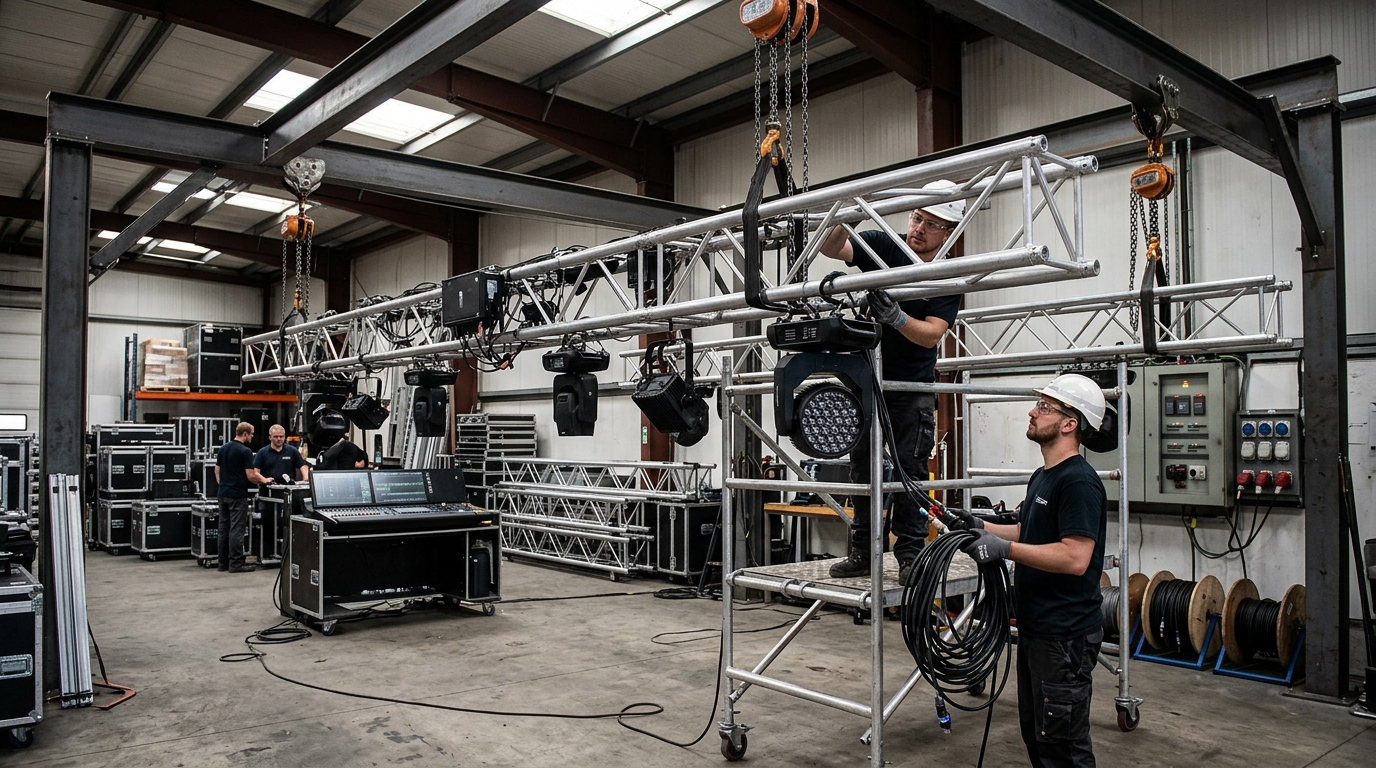
Designing a truly immersive stage with lights involves making strategic decisions regarding equipment, positioning, and network management. Event organizers routinely face challenges balancing technical demands against aesthetic ambitions. Research data confirms that proper stage illumination significantly improves audience retention. Selecting reliable hardware ensures structural stability, while dynamic color manipulation elevates storytelling. This guide explores methodologies for scaling your inventory. We analyze digital multiplex platforms, automated technology, and secure mounting mechanisms to help crews streamline operations, optimize visual impact, and deliver memorable live experiences.
Core Fixture Types And Stage With Lights Background
Professional shows demand robust illumination strategies. By combining traditional wash elements with motorized instruments, production teams build an engaging atmosphere. Understanding the hardware specifications directly improves your resulting visual environment and operational efficiency.
Utilizing Moving Head Stage Lighting With Big Head Features
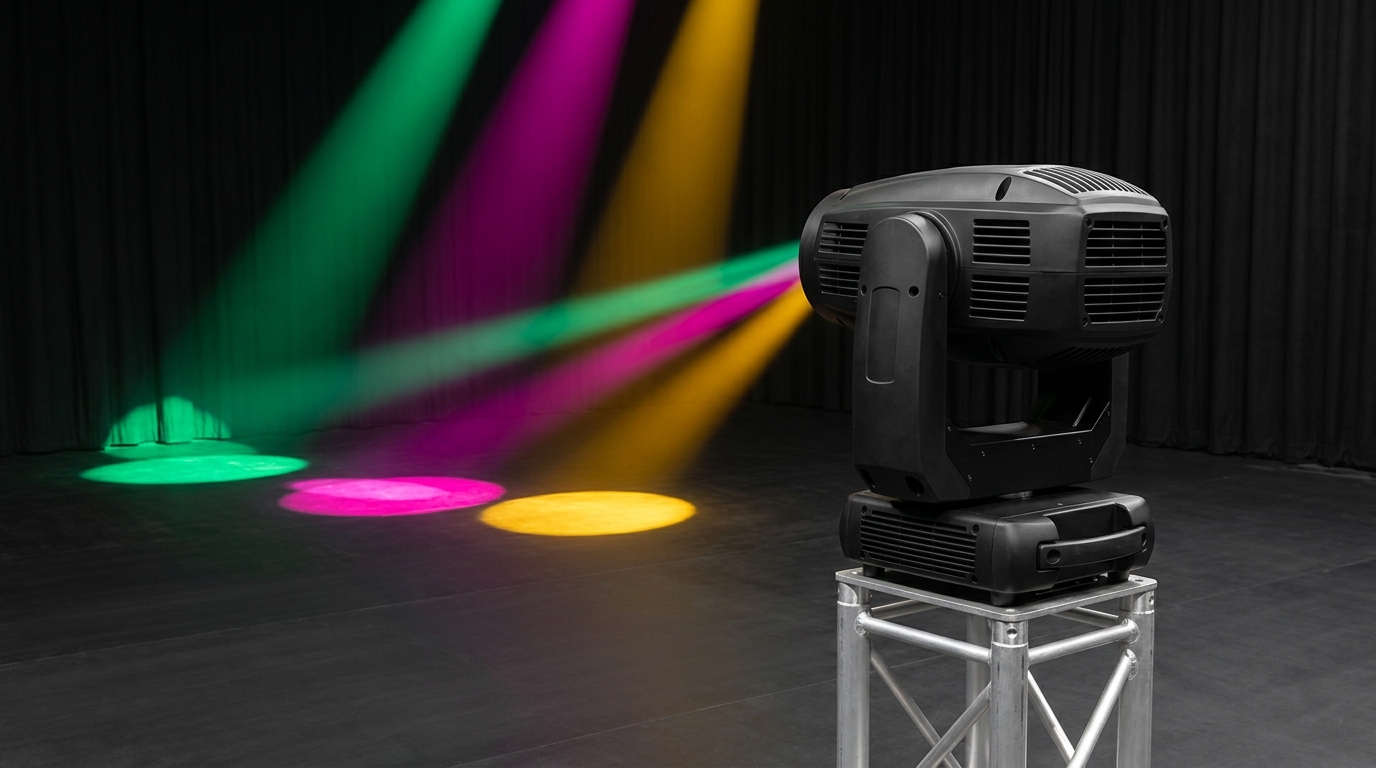
Motorized luminaires represent a massive technological leap for modern event engineering. Implementing moving head stage lighting with big head modules delivers superior optical output. These units utilize advanced motors, allowing technicians to program complex geometric patterns. The enlarged lens structure captures greater luminous flux, producing sharper beams than conventional profiles. Market research indicates that modern motorized heads reduce power consumption while doubling brightness. Engineers value these versatile instruments because they consolidate roles, functioning seamlessly as beam, spot, or wash fixtures depending on the required aesthetic geometry and overall show direction.
Designing an atmospheric stage with lights background requires methodical layering. Cyc lights wash vertical surfaces evenly, generating a deep visual canvas behind the performers. The contrast between focused foreground beams and a saturated background ensures that the human eye correctly perceives depth. By carefully matching color temperatures, designers create stunning optical illusions. Below is a detailed breakdown comparing standard static backgrounds against motorized dynamic setups, illustrating the vast differences in operational metrics, typical power draw, and overall audience engagement scores based on recent live event industry surveys regarding technical production standards and audience satisfaction ratings across multiple concert venues.
| Setup Type | Power Draw | Setup Time | Visual Depth | Engagement Score |
|---|---|---|---|---|
| Static Wash | 1200W | 45 Minutes | Moderate Base | Standard Average Rating |
| Dynamic Array | 800W | 75 Minutes | Immersive Field | Plus Forty Percent |
Maximizing Zkymzl 30w LED Stage Lighting With DMX512 Systems
Incorporating specialized compact fixtures dramatically enhances localized illumination precision. The zkymzl 30w led stage lighting with dmx512 offers an exceptional balance of luminosity and compact design. Despite the smaller footprint, these modules generate intense chromatic outputs suitable for architectural highlighting. Technical managers appreciate the unified interface, which permits seamless daisy chaining across the truss. Historical production logs demonstrate that deploying multiple lower wattage units yields better shadowing control than massive floodlights. This distributed approach guarantees consistent beam spread, preventing harsh hotspots while maintaining vibrant aesthetic textures throughout the entire live musical performance.
Integrating this thirty watt unit into a broader network simplifies troubleshooting during high stakes presentations. Each instrument processes network packets independently, ensuring rapid response times during rapid sequence transitions. Engineers routinely assign distinct address blocks to these compact luminaires, allowing dedicated software cues to trigger them without interrupting the primary moving heads. This strategic isolation maximizes reliability. Moreover, the lightweight chassis reduces overall structural strain on the rigging infrastructure. Consequently, production crews can mount additional units on standard vertical poles without exceeding weight thresholds, establishing an incredibly versatile architectural lighting plot that adapts instantly to varying performance genres and demands.
Rigging And Centralized Stage Lights With Controller Integration Processes
Mounting your equipment securely guarantees safety and optimal projection angles. Coupling proper structural supports with centralized software coordination transforms fragmented gear into a cohesive system. This alignment reduces human error and drastically shortens onsite technical preparation times.
Securely Deploying Stage Lights With Stand Systems Today
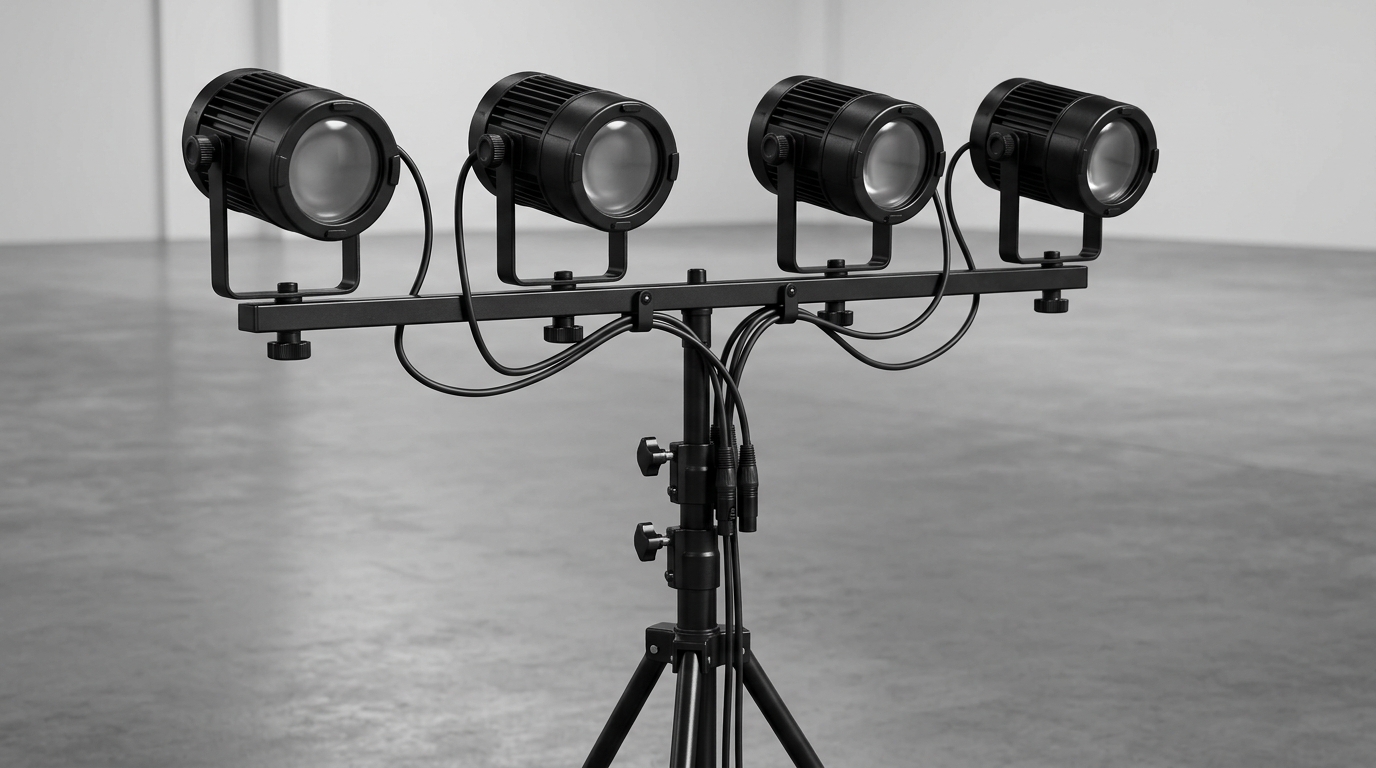
Portable productions heavily depend on rapid deployment frameworks. Positioning stage lights with stand configurations provides immense flexibility for touring ensembles. Modern tripod bases feature reinforced steel construction, minimizing sudden drops during adjustments. A typical support accommodates up to four fixtures, perfectly distributing the gravitational load. Statistics from occupational safety boards highlight that utilizing certified telescopic supports reduces onsite rigging accidents significantly. Technicians must always verify lateral stability, specifically ensuring that heavy cables do not create uneven tension that might tip the entire structural equilibrium during a live presentation.
Beyond basic tripods, modular truss segments elevate the scale of your design architecture. Clamping instruments securely to overhead grids mandates rigorous adherence to load limits and safety tethering protocols. Every suspended device requires a backup steel cable, neutralizing risks associated with primary clamp failure. Engineers systematically document weight distribution algorithms before hoisting the apparatus. Proper spatial organization prevents thermal overlap between adjacent heat sinks, preserving electronic lifespans. By establishing strict mechanical guidelines, production teams eliminate catastrophic failures. This standardized approach empowers crews to reliably construct massive overhead arrangements, maintaining unwavering compliance with municipal fire codes and stringent indoor venue regulations.
Operating Stage Lights With Controller Console Precision
Navigating complex cue lists demands sophisticated digital oversight. Linking stage lights with controller consoles establishes a centralized nervous system for your performance. The digital multiplex protocol translates slider movements into precise numerical values, dictating intensity, color palettes, and motorized rotation. Software interfaces currently dominate modern theater applications because they offer unlimited cue storage and visual rendering capabilities prior to physical deployment. Industry analyses confirm that utilizing programmable software surfaces decreases rehearsal timeline requirements significantly. Programmers utilize sophisticated algorithms to generate sweeping visual effects that precisely match the audio frequency, formulating a truly synchronized multimedia spectacle that captivates large audiences globally.
Effectively patching addresses remains a critical technical milestone. Each luminaire receives a specific numerical channel, preventing conflicting data transmission across the network cables. Advanced boards support remote device management, enabling operators to modify settings from the booth without climbing perilous ladders. This bi directional communication drastically alters maintenance logistics. Implementing these structured methodologies assures consistent artistic delivery, transforming generic auditoriums into magnificent theatrical landscapes. Whether organizing a corporate seminar or an energetic musical concert, investing time in mastering these sophisticated control systems ultimately defines the success of your production. Execute your vision meticulously, ensuring every radiant beam fulfills its purpose.
发表回复